Escape the everyday and create your own personal oasis with a beautiful, handcrafted gazebo. Imagine relaxing in the shade on a warm summer afternoon, surrounded by the tranquility of your own backyard haven. Building your own gazebo might seem daunting, a project reserved for seasoned carpenters, but with the right guidance, it’s surprisingly achievable, even for DIY enthusiasts with moderate skills. The sense of accomplishment, not to mention the significant cost savings compared to purchasing a pre-built model, makes this project immensely rewarding.
This comprehensive guide will walk you through each stage of the gazebo construction process, from carefully planning your design and selecting the right materials, to mastering the precise techniques needed for a sturdy and aesthetically pleasing structure. Get ready to transform your outdoor space with a personalized gazebo, built entirely by your own two hands. Let's delve into the step-by-step instructions, starting with the crucial groundwork.
Preparation and Safety Guidelines
- circular saw
- nails
- string lines
- profiles
- level
- concrete
- concrete blocks
- timber
- bolts
- Always ensure the gazebo is built on a level surface to prevent instability and potential collapse. Use a spirit level to check and adjust as needed.
- Wear appropriate safety gear, including safety glasses and work gloves, throughout the entire building process to protect yourself from potential injuries.
- Strictly follow the manufacturer's instructions and recommended fastening methods. Using incorrect techniques can compromise the gazebo's structural integrity and safety.
Step-by-Step Instructions
Planning and Preparation
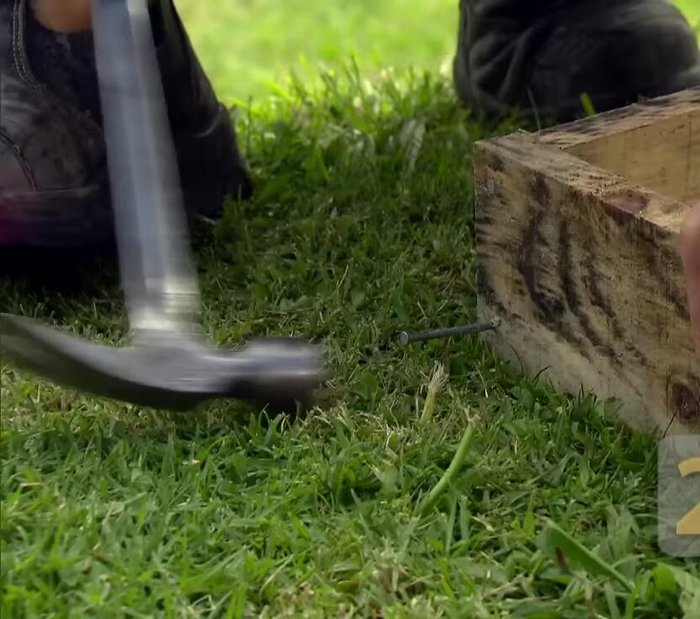
- Mark out post hole locations.
- Build profiles and string lines to establish a square and level area.

Planning and Preparation Post Installation
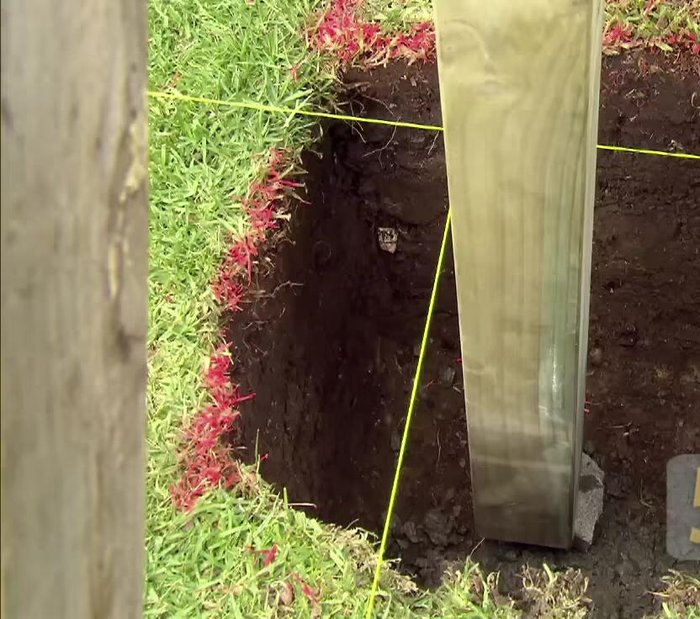
- Dig post holes (after contacting utility companies).
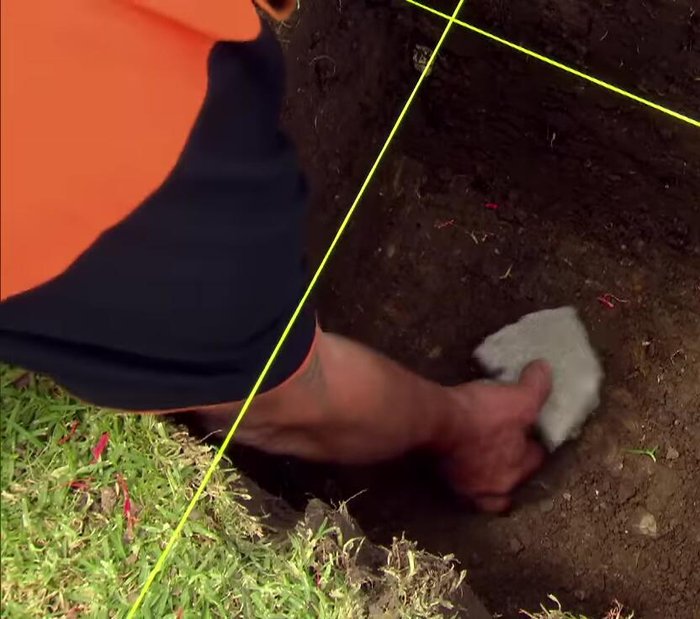
- Place concrete blocks in the holes and set posts, ensuring they are plumb and level.
- Pour and set concrete.
Post Installation Post Preparation
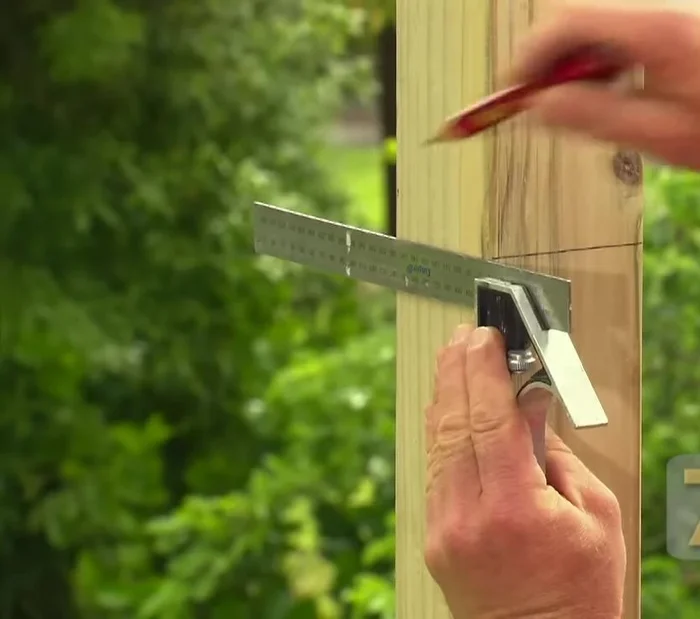
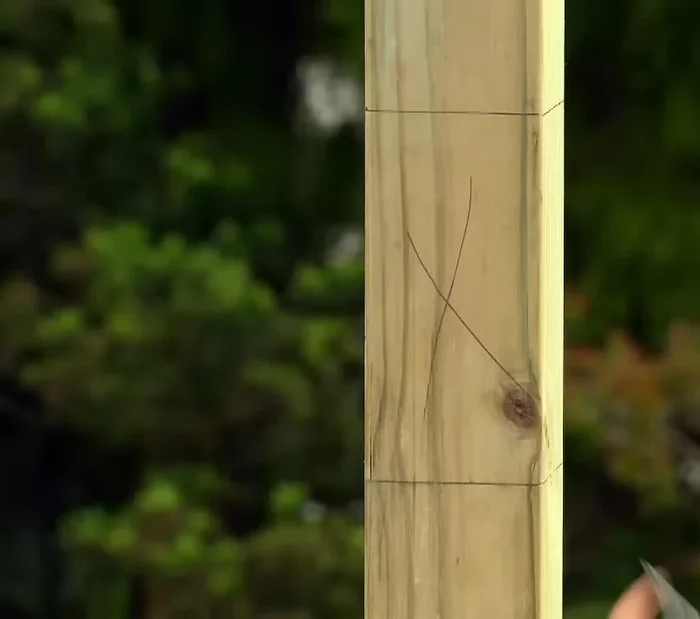
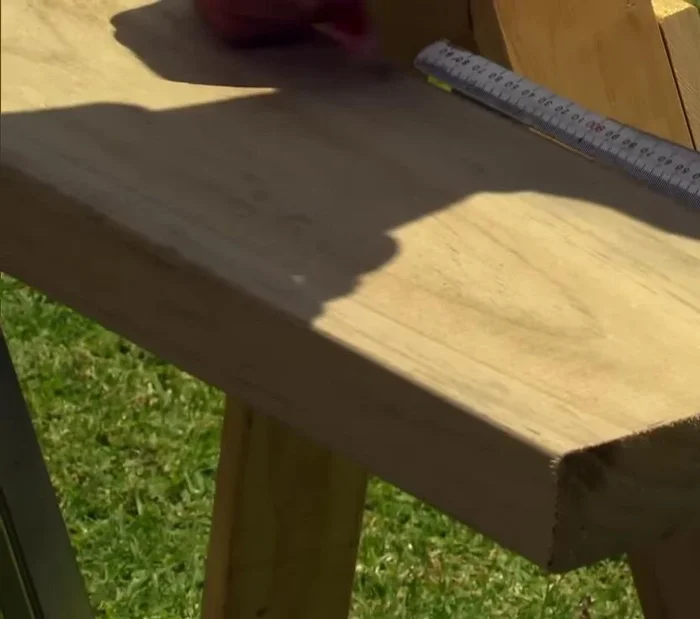
- Mark post to length and rebate positions for bearers.
- Transfer rebate marks to all posts.
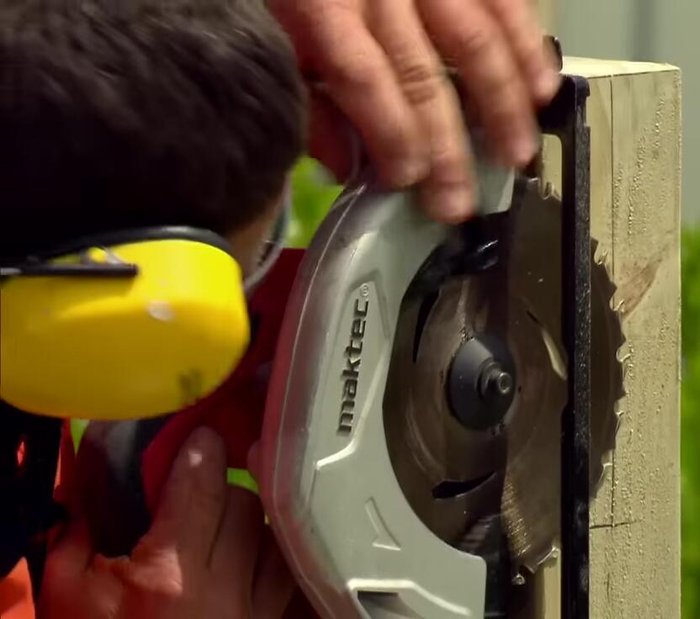
- Cut rebates on posts.
Post Preparation Bearer Construction
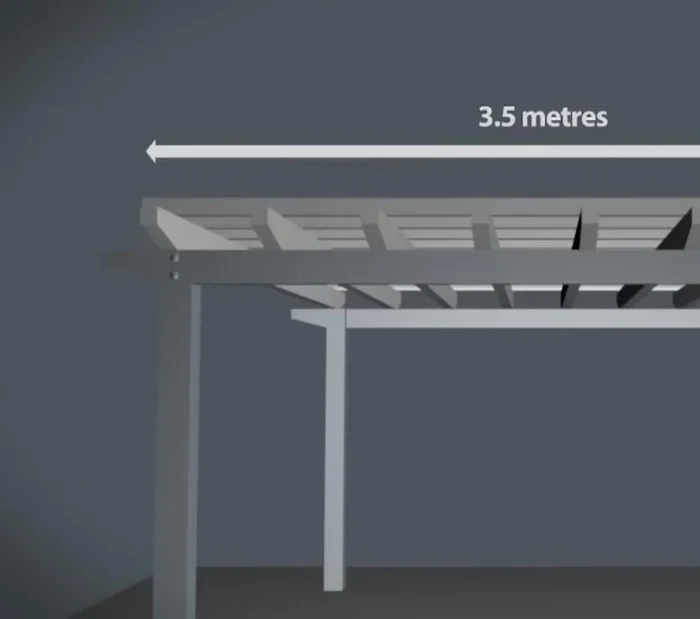
- Cut bearers to length (allowing for overhang).
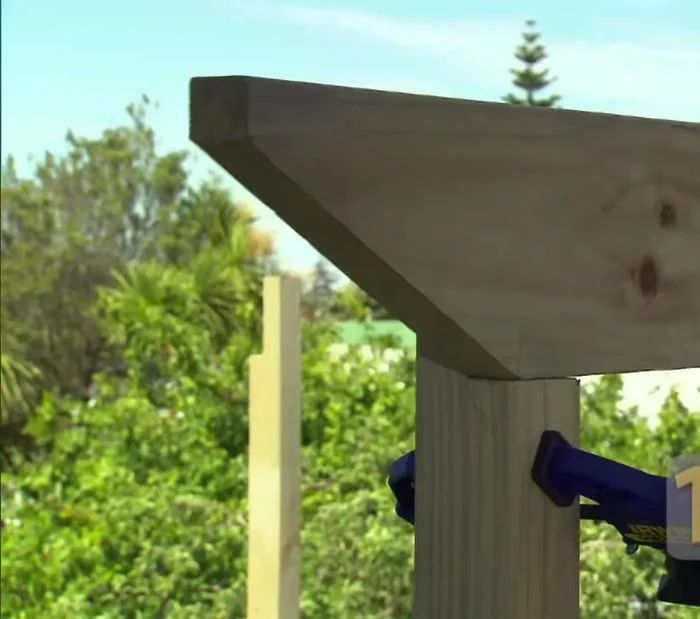
- Shape bearers.
Bearer Construction Rafter and Beam Preparation
- Mark rafter positions on bearers.
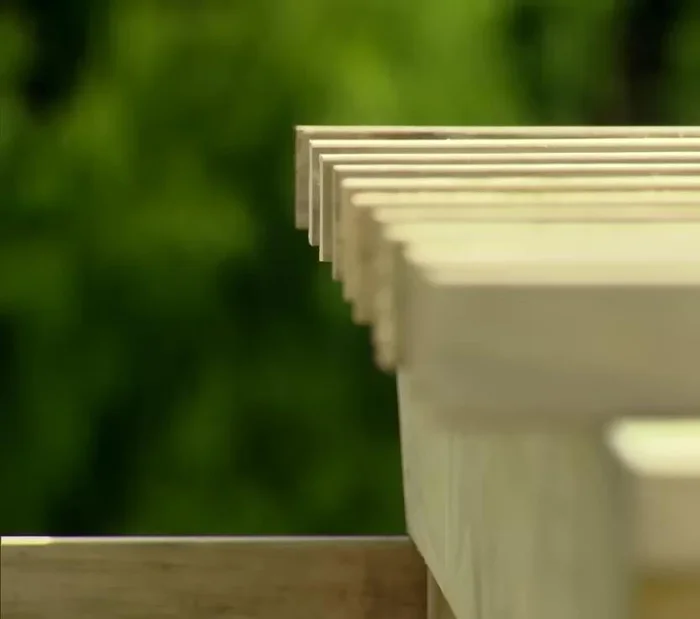
- Cut rafters to length (allowing for overhang).
- Cut and mark beams.
Rafter and Beam Preparation Assembly
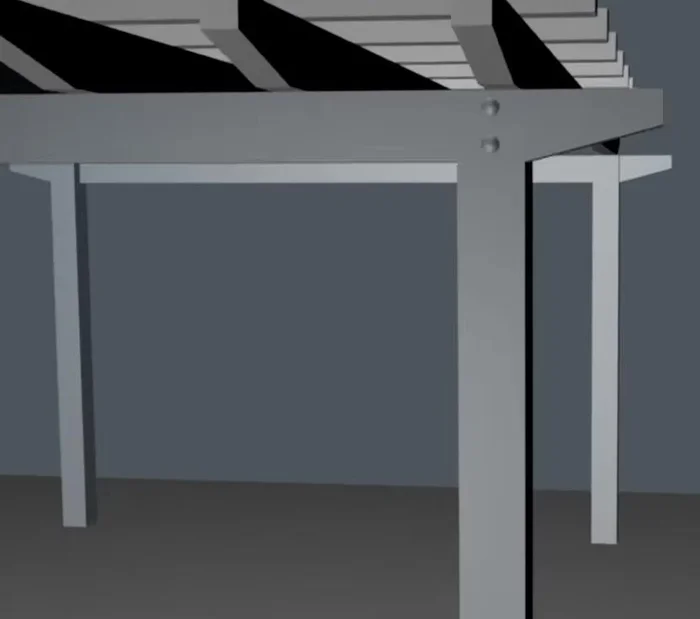
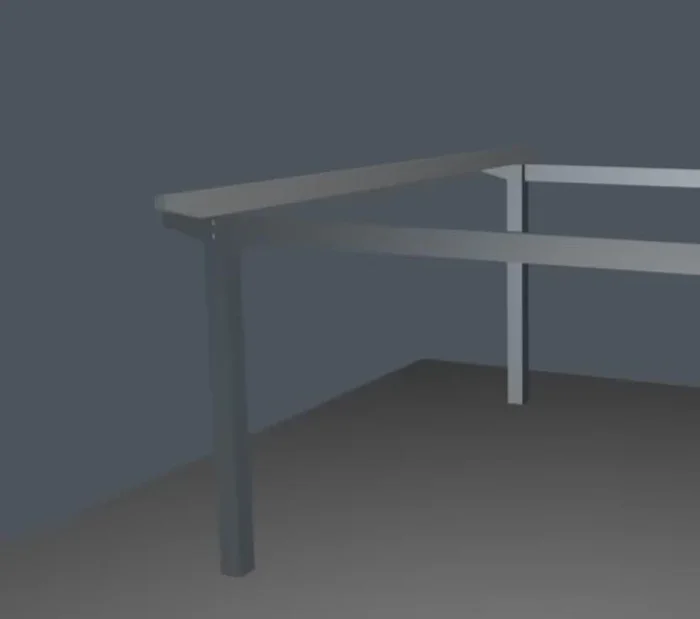
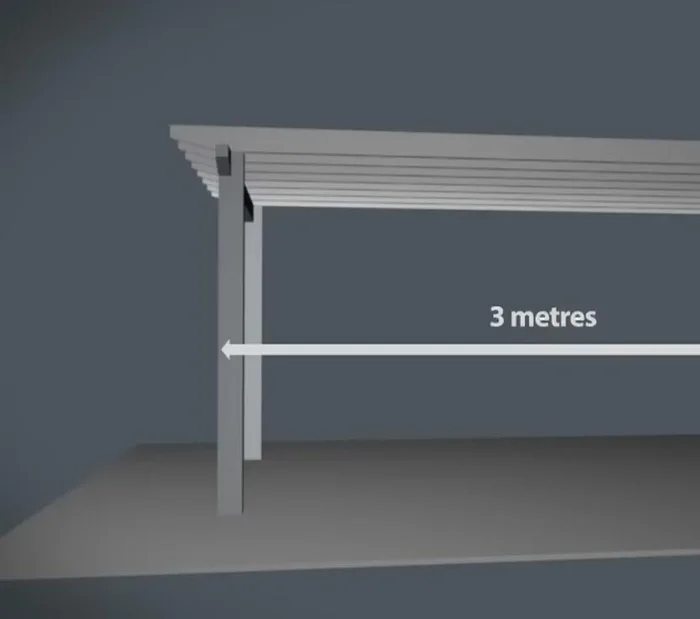
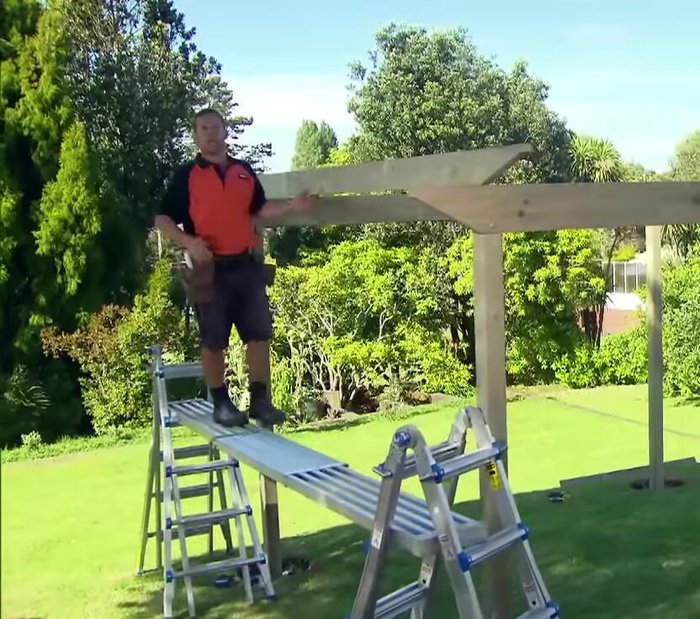
- Attach bearers to posts.
- Attach rafters to bearers.
- Attach beams to rafters.
Assembly
Read more: Build a Sag-Proof Wood Fence Gate: The Ultimate DIY Guide
Tips
- Check local building regulations for height restrictions.
- Protect metal fixings from corrosion using hot-dip galvanizing or stainless steel.
- Use concrete blocks to elevate posts off the ground.
- Pre-drill holes in beams to prevent splitting.